Specify stainless steel handrails for Sydney commercial builds with fabrication, finish and installation requirements resolved before production.
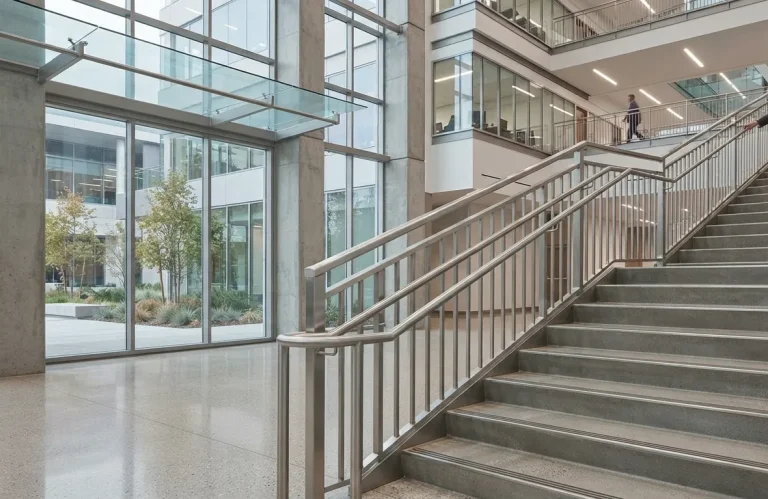
Stainless steel handrails are fabricated barrier and support components used where durability, clean presentation and project-specific geometry are required. For commercial construction, the design and compliance basis must be resolved before fabrication begins.
What Should Be Confirmed Before Fabrication?
A handrail cannot be quoted accurately from a loose length alone. The fabricator needs the approved layout, dimensions, fixing method, material specification, finish and site programme. Interfaces with stairs, landings, walls, glazing or balustrades must also be clear.
Southern Cross Laser & Sheet Metal provides handrail and balustrade fabrication for residential, commercial, industrial and architectural projects in Sydney. Its capability extends from design and fabrication through to installation, supporting projects that need coordination rather than isolated metal components.
Five Details That Drive the Result
- Approved geometry: provide current drawings showing levels, returns, corners, posts, clearances and connection points.
- Stainless steel grade: specify the grade for the actual exposure conditions instead of assuming every stainless product performs identically.
- Surface finish: nominate the finish and direction where visible components must match adjoining architectural metalwork.
- Fixing method: identify the substrate and responsible design details before plates, brackets or penetrations are fabricated.
- Installation sequence: confirm access, lifting constraints and when completed finishes will be available for final measurement.
How Does Compliance Affect the Fabrication Brief?
Handrails and barriers may be safety-critical building elements. Their height, continuity, loading, openings and location can be governed by the project’s design and applicable building requirements. The National Construction Code is the authoritative national framework, but the project designer or certifier should identify the provisions and approved details that apply.
A fabricator should manufacture to approved information, not replace the structural engineer, architect or building surveyor. Avoid asking the workshop to “make it compliant” without supplying the compliance basis. That vague instruction creates scope risk and can trigger redesign after material has already been cut.
Why In-House Metal Capabilities Matter
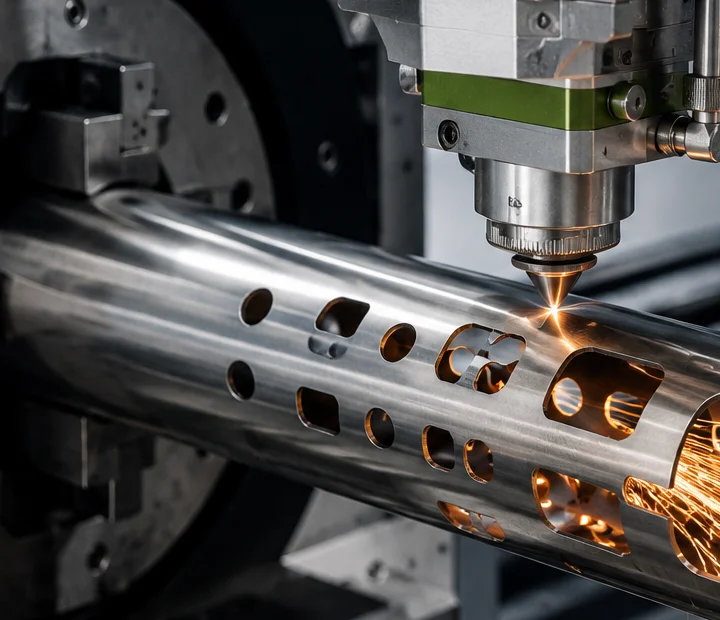
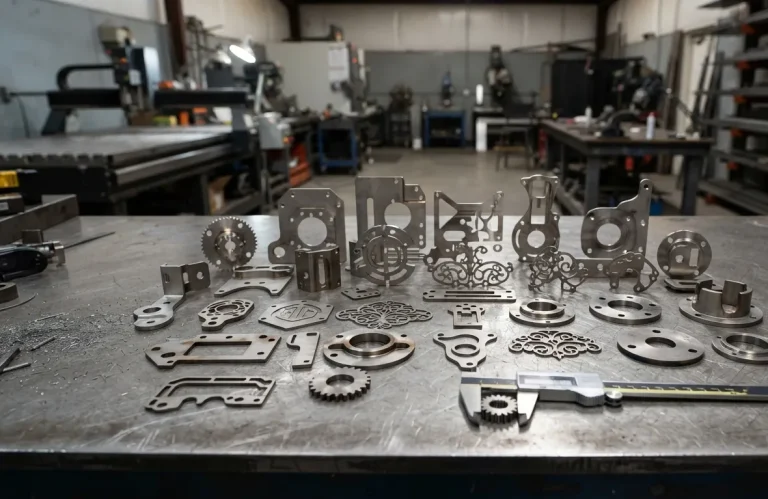
Commercial handrail packages can require laser cutting, sheet metal work, welding, finishing and installation coordination. Southern Cross Laser’s broader custom metal fabrication services can support brackets, plates and associated stainless components within an agreed package.
Complete information also improves quotation quality. State quantities, material grade, finish, delivery address, installation requirement and programme dates. If drawings remain preliminary, label them clearly and allow for revision before manufacture.
For staged projects, define which measurements can be taken from drawings and which require site verification. Fabricating too early can create clashes when concrete, stairs or wall finishes differ from preliminary dimensions. Hold points should be written into the programme where final site conditions control the work.
Request a Fabrication Review
Send Southern Cross Laser & Sheet Metal the approved drawings, site location and required programme. The team can assess manufacturability, identify missing fabrication details and quote the defined scope. Resolve design responsibility early, then fabricate from controlled information. That approach protects the construction programme far better than relying on assumptions at installation.